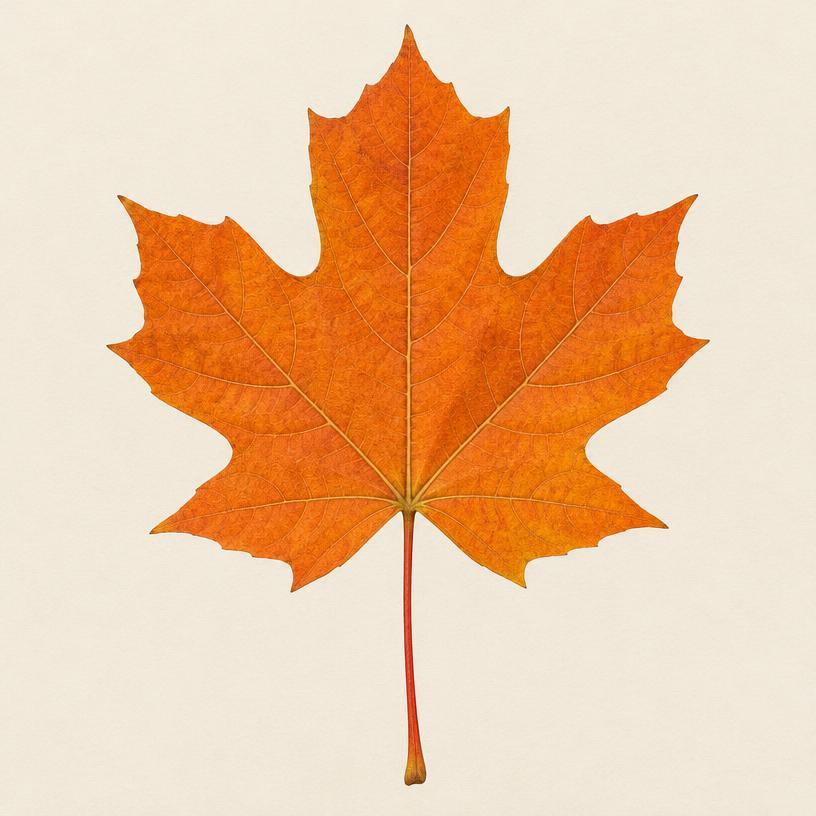
Sugar maple
Acer saccharum
Usually five lobes, with rounded U-shaped valleys and a few large teeth.
One more clue
Leaves grow opposite each other on a twig.
A little field guide · ages 4–17
A fallen leaf. A little mystery. A whole living world to discover.
Six trees you may meet in Ontario and parts of North America. Colour changes; shape gives better clues.
Acer saccharum
Usually five lobes, with rounded U-shaped valleys and a few large teeth.
Leaves grow opposite each other on a twig.
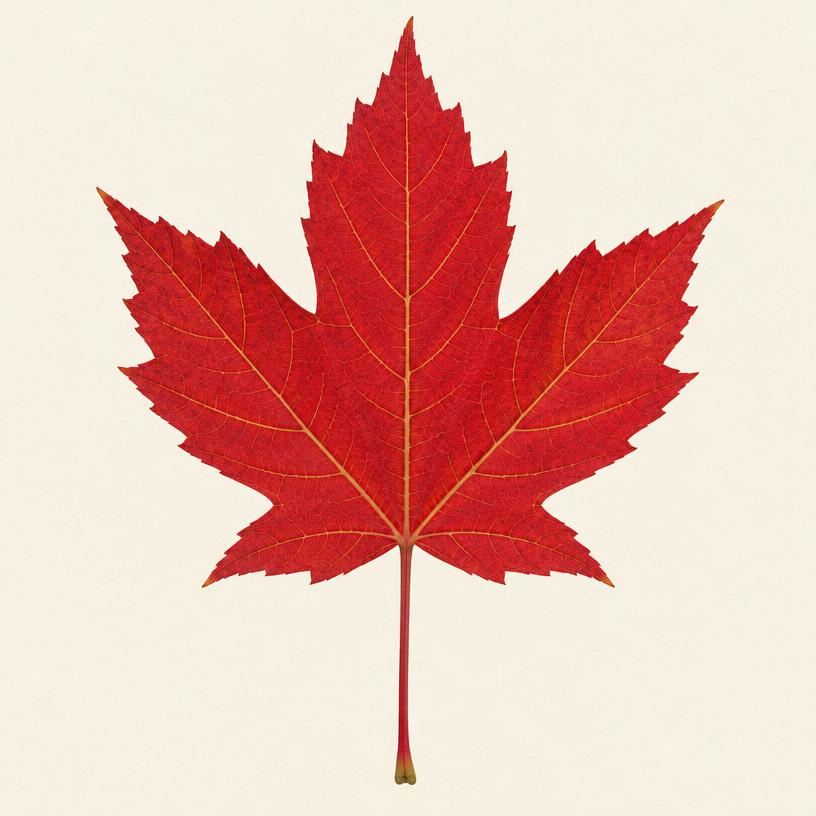
Acer rubrum
Three to five lobes, toothed edges and sharper V-shaped valleys.
Leaves grow opposite each other on a twig.
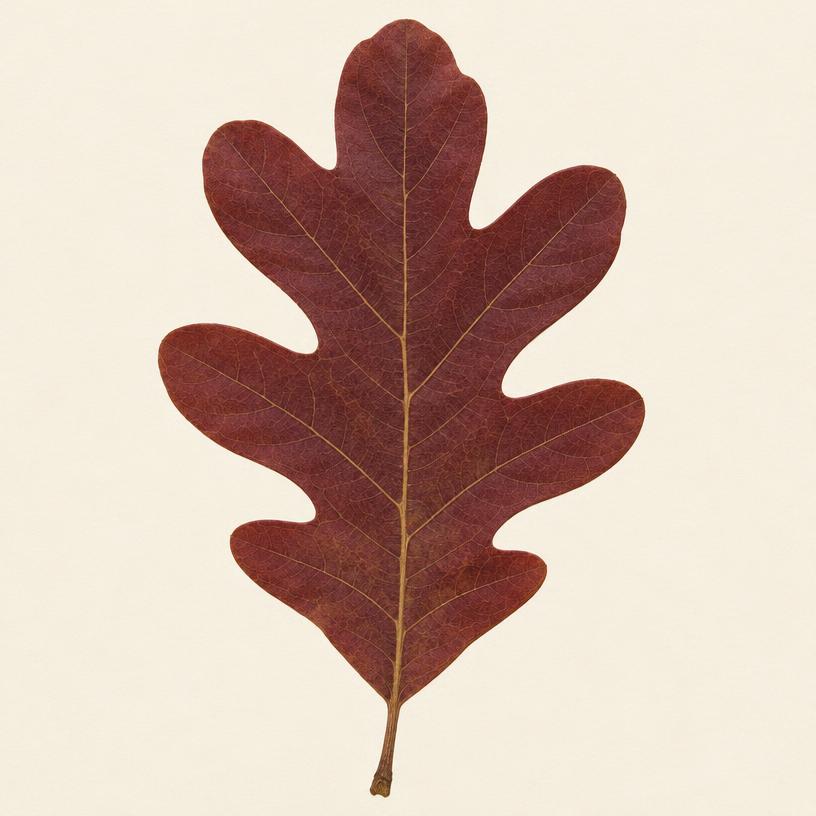
Quercus alba
Rounded finger-like lobes, without little bristle tips.
Leaves alternate along a twig. Other white-oak-group species look similar.
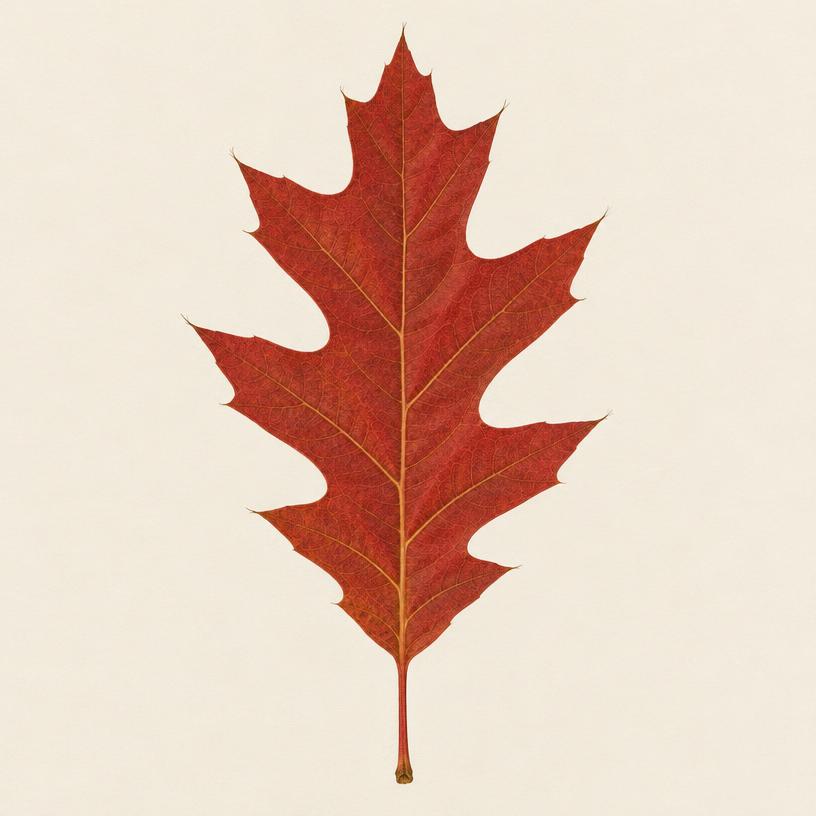
Quercus rubra
Pointed lobes with tiny bristle tips.
Leaves alternate along a twig. Other red-oak-group species can look similar.
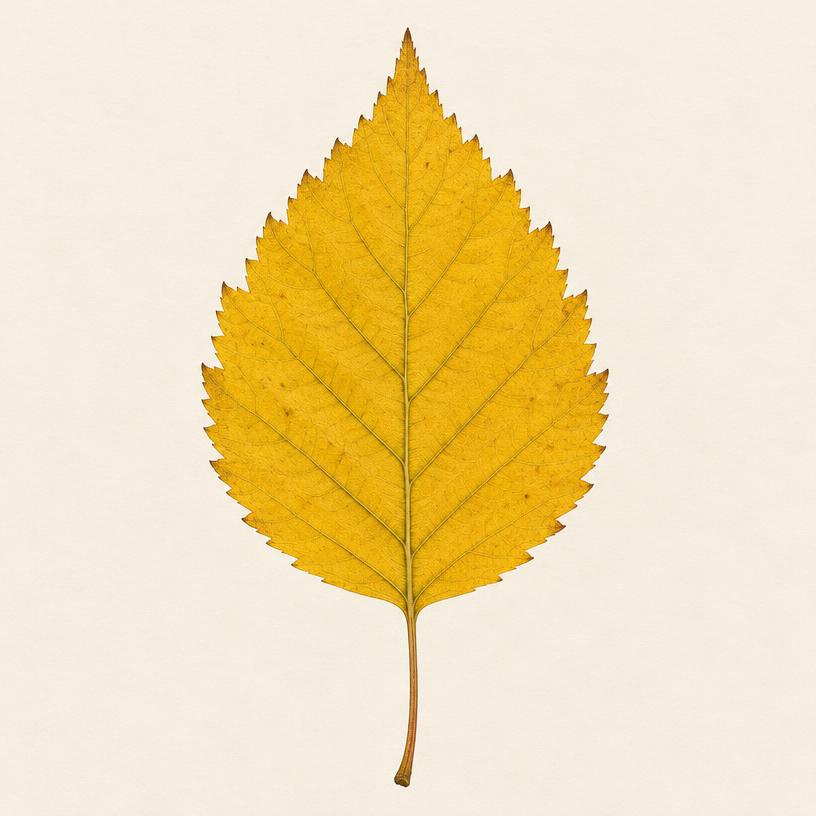
Betula papyrifera
An oval or egg-shaped leaf with a pointed tip and little teeth on bigger teeth.
Leaves alternate. Check bark and buds too; other birches have similar leaves.
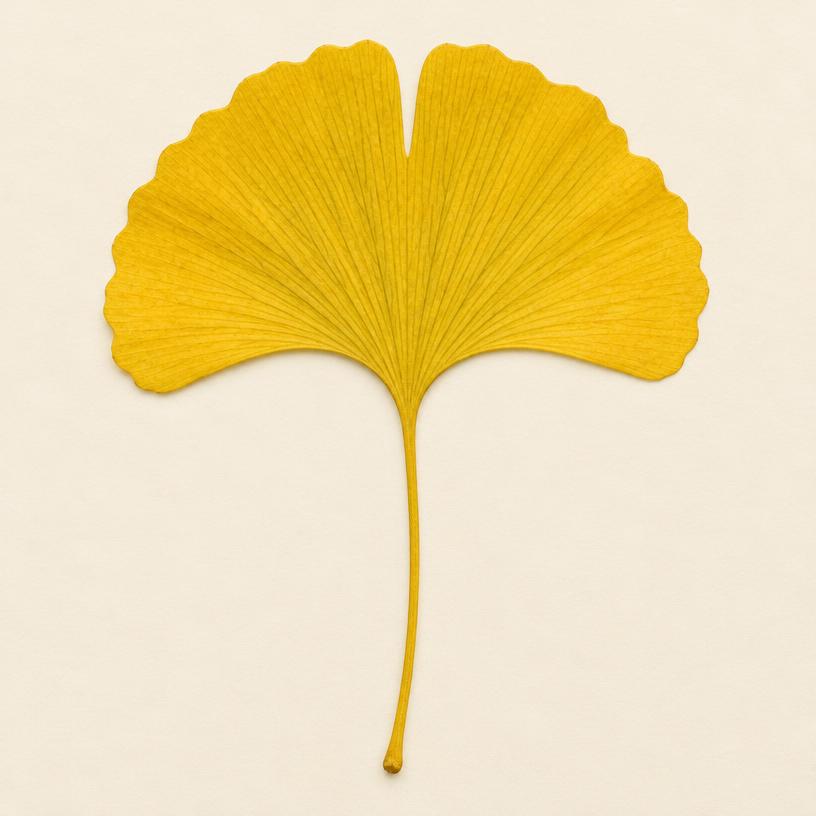
Ginkgo biloba
A fan-shaped leaf with fine veins spreading outward; sometimes a notch at the top.
Often clustered on short shoots. Originally from China, planted in Canadian towns.
These AI-made illustrations are learning aids, not identification photographs. Check a real leaf, twig, bark and a local guide. Similar species are not all shown; never use this guide to decide what is safe to eat.
Shapes, teeth, veins and a name to investigate.
Read together: Tell a tiny story about a leaf you found: where was it before it reached you?
Try it: Find a fallen leaf with a grown-up. Trace it, feel its edge gently and draw its veins. Sort a few leaves by shape, not by colour.
Big idea: A leaf has a blade, a stalk and veins. Looking closely is the start of science.
How we know: Compare two real leaves. Point to each feature you drew; change your drawing if you notice something new.
Words to explore: blade · stalk · vein
Try it: Compare a fallen leaf with the guide. If safe, look at leaves still on its tree: opposite pairs or alternate steps? Write 'possibly' and two clues. Check a local tree guide.
Big idea: A picture is a starting clue, not a certain identification. Leaves vary within a species.
How we know: Check shape and twig arrangement against a second guide. Nearby trees may share leaf shapes; bark and buds help resolve the puzzle.
Words to explore: opposite · alternate · identify
Try it: Draw yes/no branches for six leaves: fan-shaped? lobed? rounded lobes? Give the key to someone with the actual specimens, then revise confusing choices.
Big idea: Identification keys use observable differences, not guesses about autumn colour.
How we know: Record where the key leads to more than one possibility. A successful six-leaf key is not proof it works for every local tree.
Words to explore: key · species · uncertainty
Calm first
Rest your eyes on one leaf. Breathe gently three times and notice its smallest line.
One kind thing
Show someone a tree they can enjoy from a safe, accessible path. Leave roots, bark and living branches unharmed.
How do we know?
Keep a dated drawing. When you return, compare what you see with what you expected. 'I’m not sure yet' belongs in a scientist’s notebook.
A page for a drawing, a few clues and a question to carry home.