Brave & Kind
Strong on the inside, kind on the outside.
Five rooms for every age. We learn to stand up for others, notice our own sparkle, speak with a calm strong voice, stay safe in emergencies, and know the rights every child shares — and the responsibilities that come with them.
Never your fault
Being hurt or left out is never the child's fault.
Practise, don't scare
Role-play and calm rehearsal, never frightening stories.
Tell a grown-up
Every lesson ends with: you can always tell someone you trust.
The rooms
Tap a board to open its lessons. Little ones start at the top; older learners go deeper below.
Kind, Brave & Leading
Read together
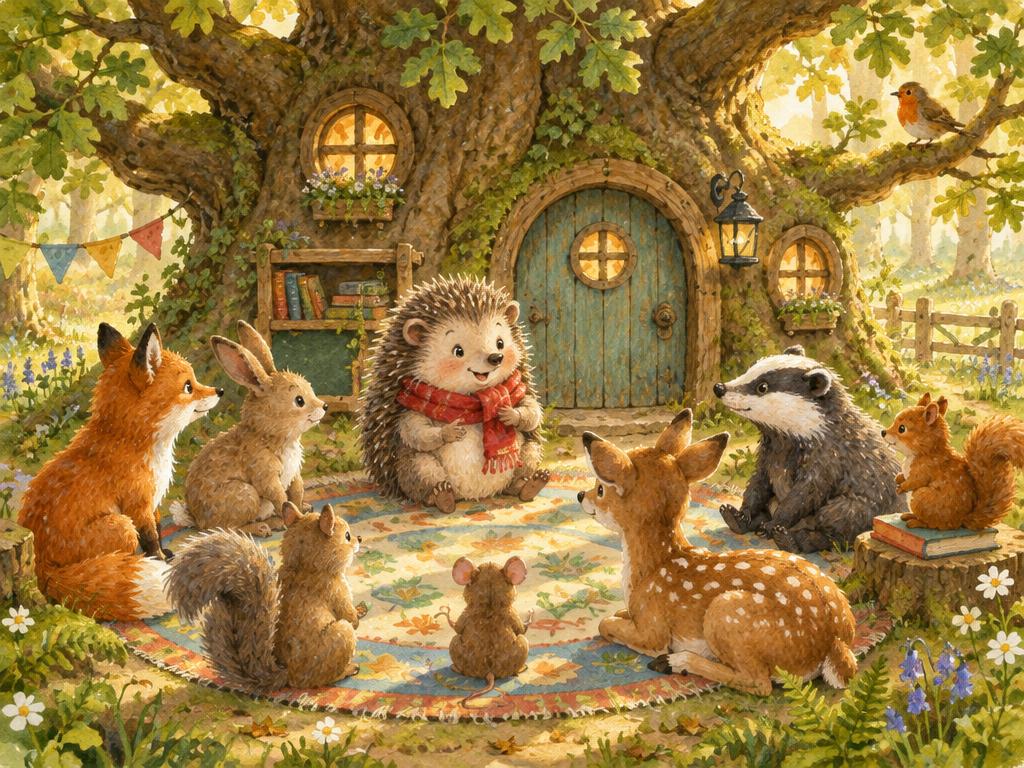
A story where one child stands beside someone left out — talk about what changed.
 📖 Pip Speaks UpOpen our own book — with pictures & a reading voice →
Lesson 1
Ages 4+Teasing or bullying?
Do it: Sort picture cards: an accident, a one-time mean word, and someone being hurt again and again on purpose.
Big idea: Bullying is hurting someone on purpose, again and again, when they find it hard to stop it. It is never the target's fault.
How we know: Ask: was it on purpose? Did it keep happening? Is one side more powerful? Three checks, not a guess.
bullyon purposetargetLesson 2
Ages 5+From bystander to upstander
Do it: Role-play with toys: one toy is left out. Practise three moves — stand beside them, say 'Stop, that's not kind', tell a trusted grown-up.
Big idea: The people watching have the most power. One friendly person often makes bullying stop.
How we know: Researchers have filmed playgrounds: when a peer stepped in, the bullying usually stopped quickly. Try the friendly move and notice what happens.
bystanderupstanderhelpLesson 3
Ages 5+Telling is not tattling
Do it: Make two lists: telling to get someone in trouble, and telling to get someone out of trouble.
Big idea: Telling a grown-up when someone is hurt or scared is brave and right.
How we know: Ask: will telling keep someone safe? If yes, telling is helping.
tellsafetrustLesson 4
Ages 8+Leaders go first with kindness
Do it: Plan a game that includes everyone, even someone younger or new. Lead it for ten minutes.
Big idea: A leader is not the loudest — a leader makes it easier for others to belong.
How we know: Afterwards, ask each player how it felt. Their answers are the evidence of good leading.
leaderincludeexampleLesson 5
Ages 8+Online kindness
Do it: Read three pretend messages. Decide: kind, unkind, or unsure? Rewrite the unkind ones.
Big idea: Words on a screen hurt as much as words out loud, and they last longer.
How we know: Read your message aloud to yourself as if you were the receiver before you send it.
onlinescreenshotrespect
Calm first
Put a hand on your heart and breathe slowly: brave hearts are calm hearts.
One kind thing
Sit beside someone who is on their own today.
How do we know?
Try the friendly move and watch what happens. Your own observation counts.
This connects to…
Ask Foxy
Your brave & kind helper
Ask anything. Foxy gives hints first, then kind explanations.
Type a question below, or tap one of the ideas.